Celebrating the UK’s best independent public relations practitioners
Entries are open for the 2026 Independent Impact 50, the awards programme celebrating freelancers and solo practitioners who contribute more than £500 million to the UK economy.
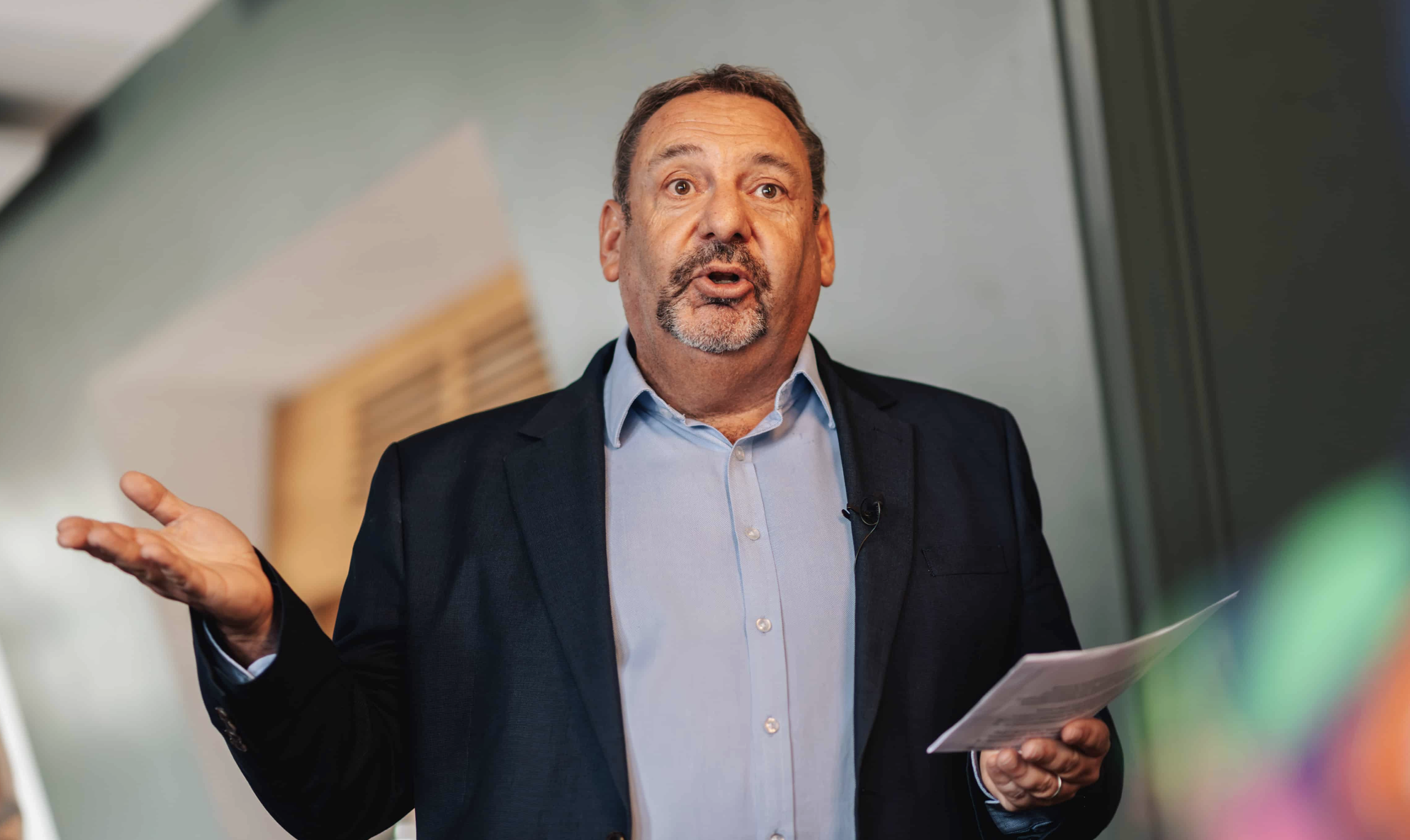
Co-founders Rod Cartwright and Nigel Sarbutts explain to Stephen Waddington what the judges are looking for and why entering could change how you think about your work.
We’re grateful for the Independent Impact 50 Awards for funding two places on the Socially Mobile programme each year. Stephen is a judge for the awards programme.
Q. The Independent Impact 50 launched in 2025 to challenge what Nigel Sarbutts called "the narrative that independent practitioners are the Cinderellas of the public relations world." Now in its second year, what did you learn from that first cohort that shaped the 2026 programme?
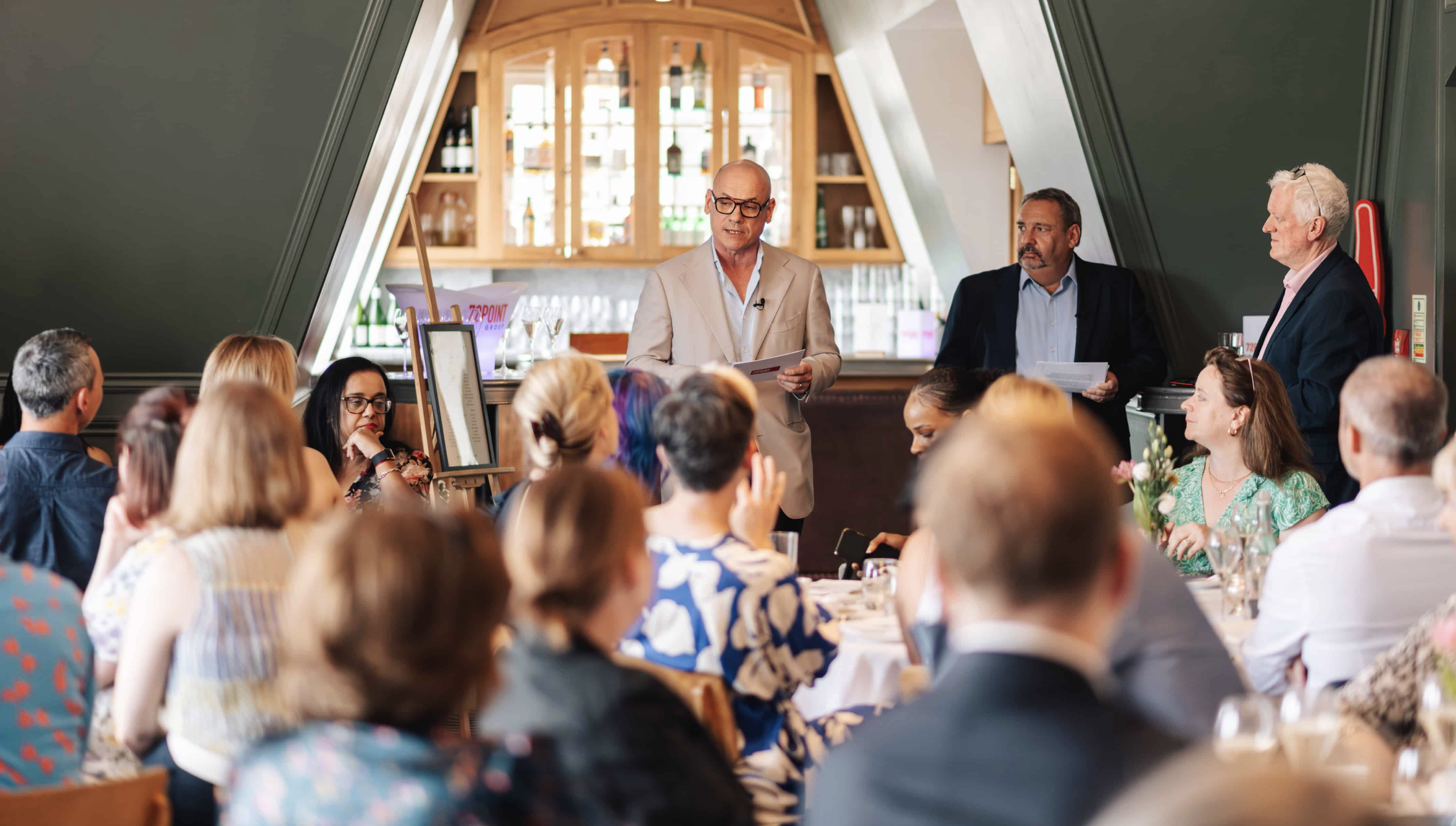
A. That we struck a nerve among a remarkable community of independent practitioners whose influence, impact and contribution has been ignored and undervalued for far too long. The sense at the awards event of people realising others feel just like them was genuinely memorable. We're biased, but it was the most joyous gathering of public relations practitioners that we've ever witnessed.
We described the inaugural Independent Impact 50 as the start of a conversation, not the end of a process and we meant it. This year, we're asking the UK's independent public relations community to get involved, join the celebration of the UK's best independent practitioners and join the conversation about how we take independent practice to greater heights.
Q. The independent practitioner market contributes more than £500 million to the UK economy. That’s more than the combined income of the top five agencies. Why has this sector remained so invisible?
A. It's the most fragmented part of the market, with no employer brands or natural forum for discussion, so it's harder for trade media to report on. But our industry bodies have also perpetuated the idea that you're either in-house or agency-side, ignoring a powerful third force in UK PR. And every freelancer knows how their contribution to an agency pitch or campaign gets erased when it comes to recognising who delivered the victory.
Q. What's new about the Independent Impact 50 for 2026?
A. We've made the entry form more user-friendly and clarified the distinctions between the seven questions about impact. We've also emphasised that we don't expect entrants to score highly across every aspect. Yhat's not realistic for anyone and perhaps put some people off last year. What hasn't changed is the enthusiastic support of our sponsors 72Point and our partners: the CIPR, PRCA, PRovoke Media and Socially Mobile.
Q. Last year, you noted that even impressive independents held back from entering, with a sense of "I'm not worthy" particularly around gender, ethnicity and age. Did the final 50 reflect greater diversity than you'd expected?
A. The "I'm not worthy" sentiment partly reflects the Cinderella syndrome among independents. The room of winners was overwhelmingly white (only 10% were practitioners from Black and ethnic minority practitioners) and appeared more middle class than we'd like, which sadly still reflects the sector.
On gender and age, the picture was more encouraging: 70% of the final 50 were women, with an average age of 48 and 10 years in independent practice. That said, these figures also reflect enduringly worrying attitudes among employers towards both age and gender.
We've forged stronger links with the Taylor Bennett Foundation, the Asian Communications Network, People Like Us and Women in PR (alongside our ongoing funding of two places on the Socially Mobile programme) to encourage more entries from under-represented groups.
Q. Who should be entering?
A. The Independent Impact 50 is open to any independent practitioner who is a UK-registered sole trader, limited company or micro business with no more than two full-time permanent employees. If you trade as a micro or virtual agency working with associates, that's fine too, provided you meet the same employee threshold.
Q. How does the judging process work?
A. We've recruited a panel of heavyweight judges from across the industry who will score entrants across seven categories using a 1 to 10 scale. They'll also deliberate on the final list should there not be a clear-cut 50.
Success lies in describing the overall impact of your work rather than campaign results or commercial success alone. That might mean persuading a client to make practice more strategic, professionalising how they approach public relations activities, mentoring others or upskilling people in client organisations. There's no standard definition of impact - entrants decide that for themselves and provide the evidence.
Q. What tangible benefits have previous winners experienced?
A. Winners describe how thinking about impact in a broader way, rather than focusing on campaign results alone, helped them refine their proposition to clients. It's easy to say "here's who I work for and what I do" but deeper to say "here's the impact of what I do."
Being featured in the 2025 list proved a powerful source of differentiation in an increasingly crowded market. Many winners said they finally felt seen and heard, gained a real sense of belonging to a community they didn't know existed, and felt validated that their work was of value. Who doesn't want that?
Q. What do independent practitioners bring that agencies sometimes can't?
A. A genuinely shared attitude to risk and a focus on truly personal advisory support. As a solo practitioner, you can say with absolute conviction that what you suggest – and then help execute – has come from the head and heart, and that you alone will be accountable for its success or failure. There's no safety net. Clients love the idea that you're sharing the risk with them.
Q. The PR Cavalry data suggests the market is recovering after a tough period. How would you characterise conditions for independents heading into 2026?
A. It remains tough. Fees are under pressure, the agency sector faces consolidation headwinds and AI is upending traditional revenue streams. The optimist would say clients will always value high-quality, individual support applied cost-efficiently – but we shouldn't underestimate the demand for more for less.
We also need to continue the conversation about breaking down barriers to independent success: late payment, unfair contract terms, all-too-frequent ghosting, and the costs of memberships, training, awards and industry services that are unrealistic for many.
Q. AI is reshaping how communications work gets done. Does that create opportunities for independents, or does it favour larger operations?
A. For senior practitioners offering strategic advisory services, AI is less of an immediate threat than it is to those focused on tactical execution. Generalist practitioners, much like generalist agencies face greater disruption.
That said, the fast-evolving suite of AI tools could provide significant opportunities to independents of all kinds, given their natural agility and speed of execution. The fragmentation of audiences, driven partly by AI, also creates more opportunities to match messages to specific groups.
Q. For someone on the fence about entering, what would you say?
A. The process of entering will take you through a thought exercise that reveals strengths you've forgotten and achievements gathering digital dust in your inbox. Winning puts you among 49 other people having the time of their life, who think like you and want to know more about what you do.
More broadly, it's about being part of a vibrant nationwide community of independent practitioners whose role in our industry is becoming ever more central.
Q. What are the key dates?
A. The deadline for entries is midnight on Friday, 20 February. Enter at www.theimpact50.com using the entry form. If anyone wants to discuss entering, email hello@theimpact50.com and one of us will be in touch.